

What is Vitiligo?
Vitiligo is a skin condition characterized by the loss of pigment, which occurs when cells called melanocytes are destroyed. It affects approximately 1% of the population and can appear on anyone, regardless of age, sex, or ethnicity. Though not medically harmful or contagious, its appearance can impact self-esteem. Contact us to learn about managing your vitiligo.
Understanding the Causes of Vitiligo
The exact cause of vitiligo is not fully understood, but it is widely considered an autoimmune disease where the body's immune system mistakenly attacks its own melanocytes. There is also an association with other autoimmune conditions, like thyroid disease, and an imbalance of antioxidants and free radicals in the body may also play a role in cell damage.
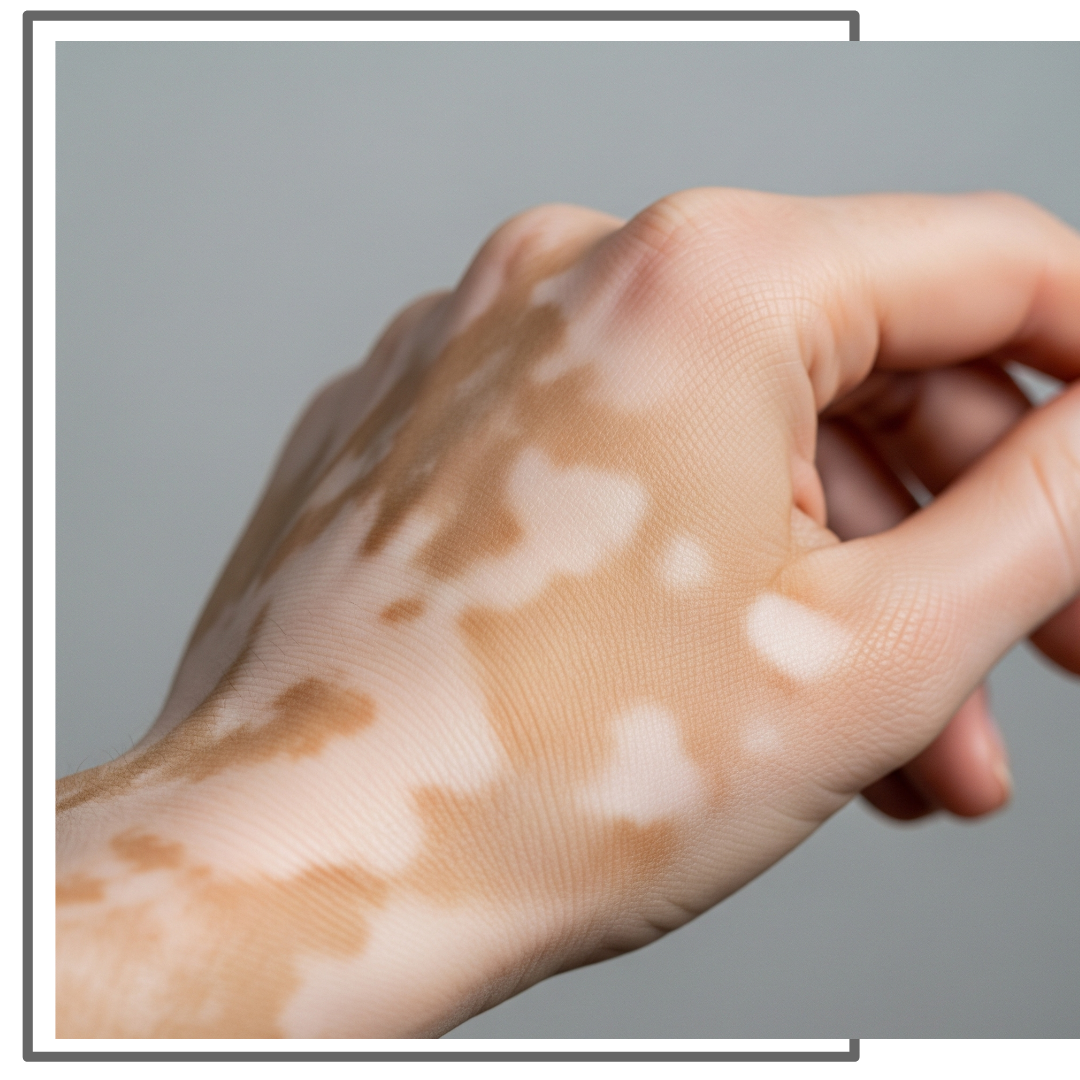
Treatment Options for Vitiligo
Treatment for vitiligo aims to stop the spread of white patches and, if possible, restore lost skin color. The best option depends on the location and extent of the vitiligo, how rapidly it's spreading, and your personal preference.

Topical Treatments
These are often the first treatments prescribed, especially for smaller areas of vitiligo.

Light Therapy
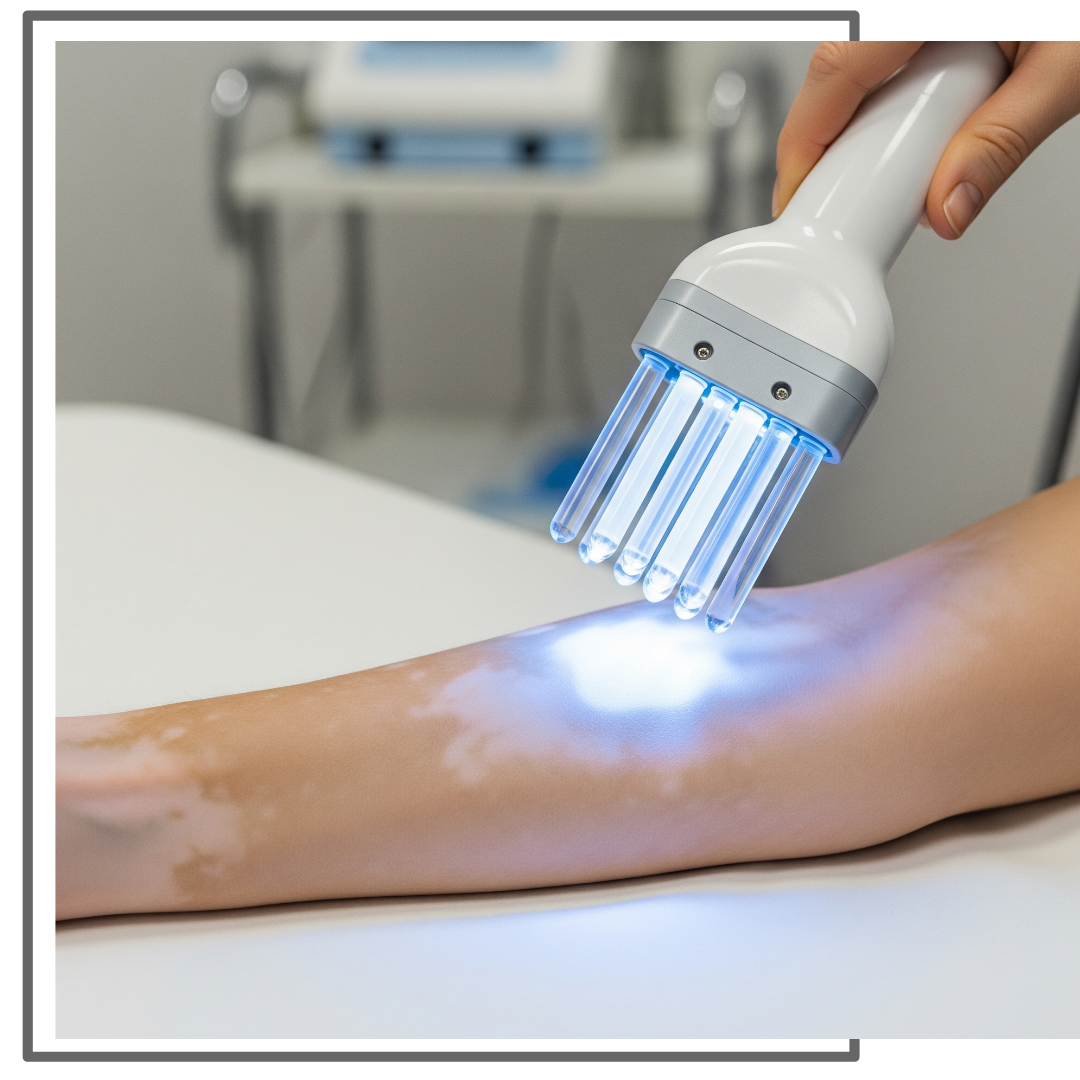
This involves exposing the skin to specific wavelengths of ultraviolet (UV) light under medical supervision.

Oral & Injected Medications
These are typically used for vitiligo that is spreading rapidly or is widespread.

Surgical Options
These procedures are only suitable for adults with stable vitiligo, meaning the patches have not changed in size or appeared for at least 6-12 months.

Depigmentation
In rare cases where vitiligo covers most of the body (>50%), some people choose to remove the remaining pigment to achieve a uniform skin color.
Advanced Light Therapy Options
One of the most common and effective vitiligo treatments is light therapy, or phototherapy. This procedure involves exposing the affected skin to controlled ultraviolet B (UVB) light several times a week in a clinical setting. This light exposure can stimulate repigmentation in the white patches, helping to restore a more even skin tone over time.
Topical Medications for Skin Repigmentation
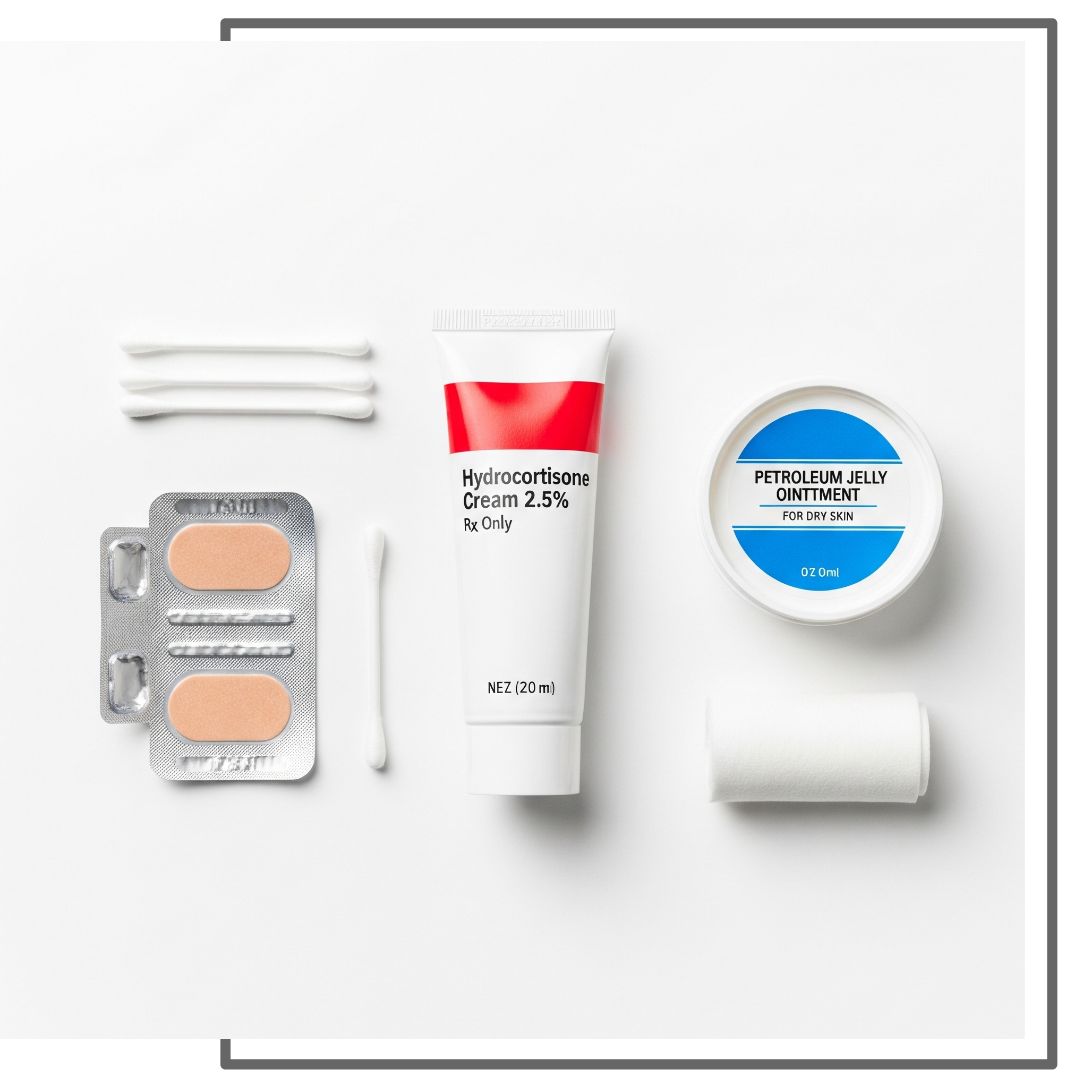
Topical medications are often a first line of defense in treating vitiligo, especially for smaller areas. These can include corticosteroid creams to control inflammation or calcineurin inhibitors. They may be used alone or, for enhanced results, in combination with light therapy to help improve the overall appearance of your skin. Discuss your options with our team today.
The Crucial Role of Sun Protection
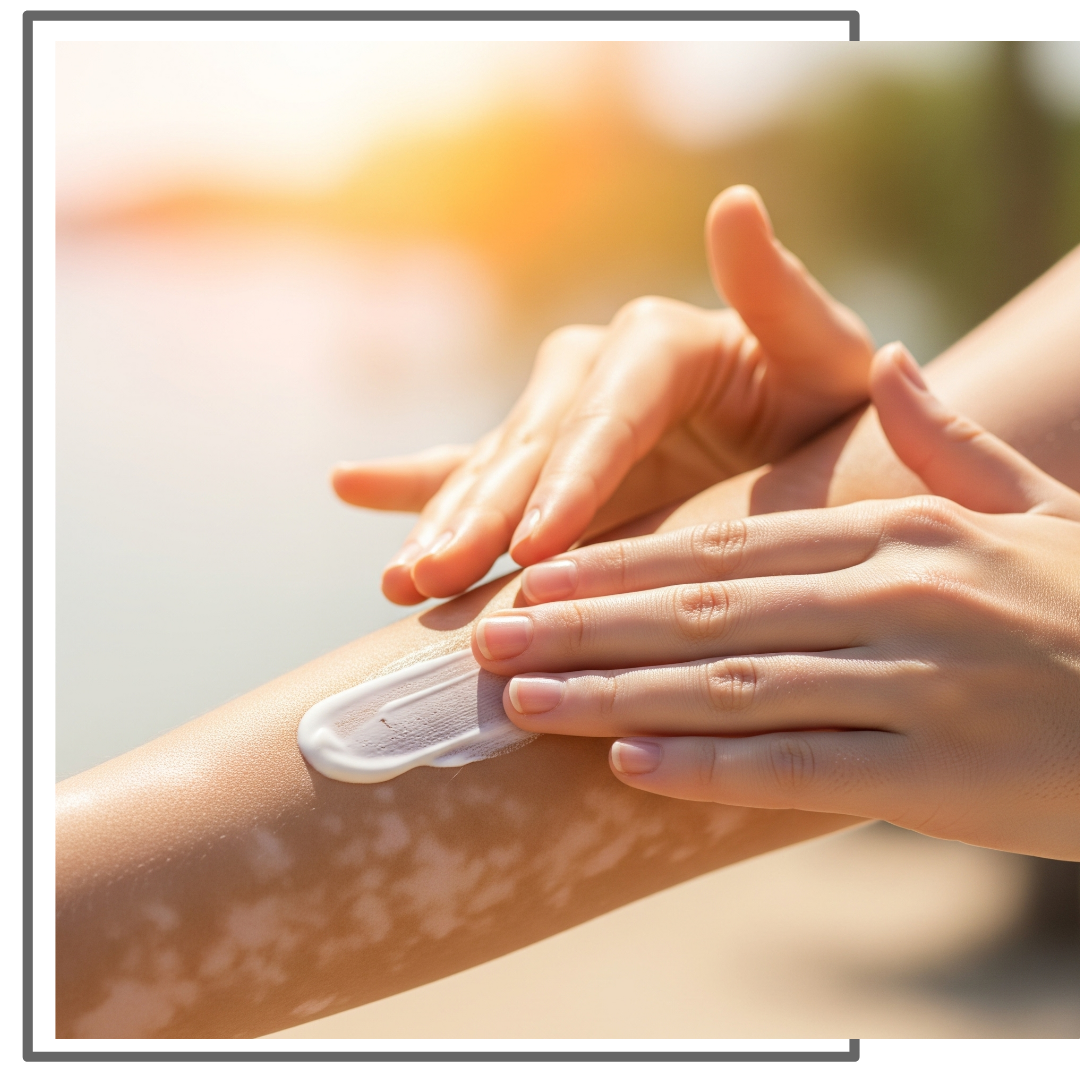
Protecting your skin from the sun is essential when you have vitiligo. The white patches have no melanin, making them extremely vulnerable to sunburn and long-term damage. Applying a high-SPF, broad-spectrum sunscreen daily not only protects these sensitive areas but can also help reduce the visible contrast between the affected and unaffected skin, improving its appearance.

Compassionate Dermatological Support in Denver
A vitiligo diagnosis can be life-changing, and we understand the emotional and social challenges it can present. Our staff is committed to providing kind, caring, and mindful support for every patient. We offer a safe environment to discuss your concerns and create a singular treatment plan designed to help you feel more confident in your skin.
While vitiligo patches rarely resolve on their own, our team is here to help you manage the condition effectively. We are dedicated to improving your skin's appearance and your quality of life. Contact Colorado Skin Surgery & Dermatology to get started.

Skin Cancer
Patients often ask, “What can I do to protect myself from skin cancer?” Unfortunately, your skin’s sun damage cannot be completely reversed. However, several precautions can be taken to reduce your risk of developing skin cancers.

COSMETIC
It is important to remember that, in both men and women, good-looking skin is usually healthy skin. You will look better after our cosmetic procedures, but more importantly, our goal is that your skin will also be healthier.

GENERAL DERMATOLOGY
Our experienced dermatologists will help you find the procedures that are right for you, creating a care and treatment plan that may help you to overcome issues with your face, body, skin and more!
Contact Us to Get Started
"*" indicates required fields