

Happy and Healthy
In Your Own Skin
Recovering from Mohs Surgery: Tips for a Smooth Healing Process by Colorado Skin Surgery & Dermatology
Mohs micrographic surgery is a highly effective, tissue-sparing treatment for skin cancer, offering the highest cure rates. While the procedure itself is precise, we understand that thinking about the recovery process can bring a certain amount of apprehension. Our commitment is not just to clear the cancer but also to ensure the best cosmetic and functional outcome. A smooth recovery is vital to achieving this goal, and it begins with following a few simple, yet critical, post-operative steps. We are here to guide you through every stage, ensuring you feel supported and informed as you heal.
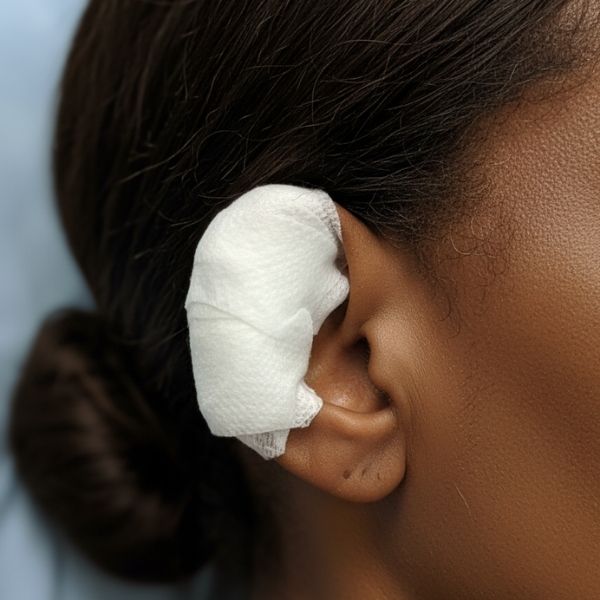
Managing the Surgical Wound and Bandage Care
Taking meticulous care of the surgical wound is paramount to preventing infection and promoting optimal healing. We provide specific instructions tailored to your unique wound size. Keep the initial bandage completely dry for the first 24 to 48 hours. After this, we instruct you on changing the bandage using petroleum jelly and a non-stick dressing. If you have any questions, our specialized team can provide detailed guidance on proper wound maintenance. To learn more about our surgical options, please visit our Restorative Surgery page.
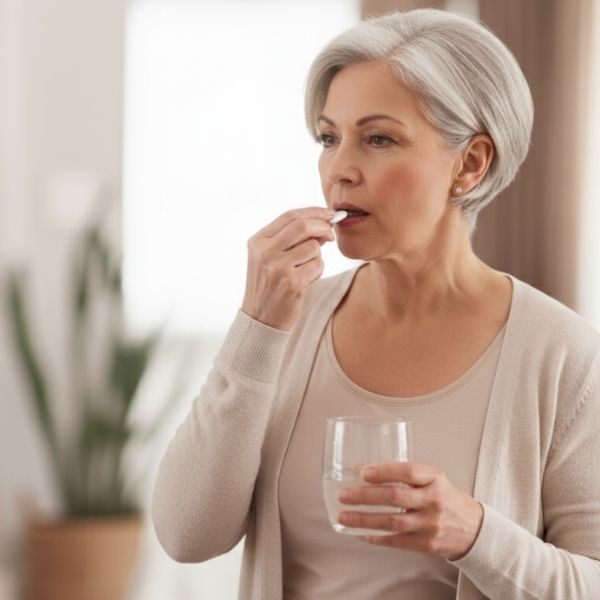
Understanding and Controlling Pain and Swelling
It is normal to experience some pain, bruising, and swelling at the surgical site following the Mohs procedure, particularly after the local anesthetic wears off. We recommend using over-the-counter pain relievers, such as acetaminophen, unless otherwise instructed. Applying a cool compress or ice pack (wrapped in a clean cloth) for brief periods can also significantly reduce swelling in the first two days. Rest is crucial; avoiding strenuous activity will prevent tension on the stitches and minimize swelling.

Lifestyle Adjustments: Activity and Diet
For the weeks following your Mohs surgery, certain lifestyle adjustments will be necessary to protect the healing site. We advise against any activities that strain the area, such as vigorous exercise, bending over, or swimming, which could stress the wound or introduce infection. Maintaining a well-balanced diet rich in protein, vitamins (especially C and A), and zinc can support the body’s natural healing mechanisms. Staying hydrated is also very important. By temporarily modifying your routine, you are giving your body the best chance to recover without complication.
Recognizing Complications and Follow-Up Care
Knowing when to call us is an important part of your recovery. While minor swelling and tenderness are expected, signs of potential complications—such as fever, increased pain, or foul-smelling drainage—should prompt an immediate call. We schedule routine follow-up appointments to monitor your progress, remove sutures, and discuss scar management options. These check-ups are a non-negotiable part of the process, ensuring your skin is healing correctly. Our comprehensive approach to Mohs skin cancer surgery includes attentive post-operative care.
The healing process after a major procedure, such as Mohs surgery, is a marathon, not a sprint. By following these evidence-based care guidelines, you are actively partnering with us to ensure the best possible cosmetic and medical results. We are proud to be the trusted skin cancer surgery center for the Denver community, combining fellowship-trained expertise with genuinely compassionate care. If you have immediate questions about your recovery or would like to schedule a comprehensive skin check, please contact Colorado Skin Surgery & Dermatology. We are dedicated to providing the excellent, efficient, and comprehensive dermatologic care you deserve.