

Happy and Healthy
In Your Own Skin
The Hiker’s Guide to Rashes: Poison Ivy, Oak, and Sumac in Colorado
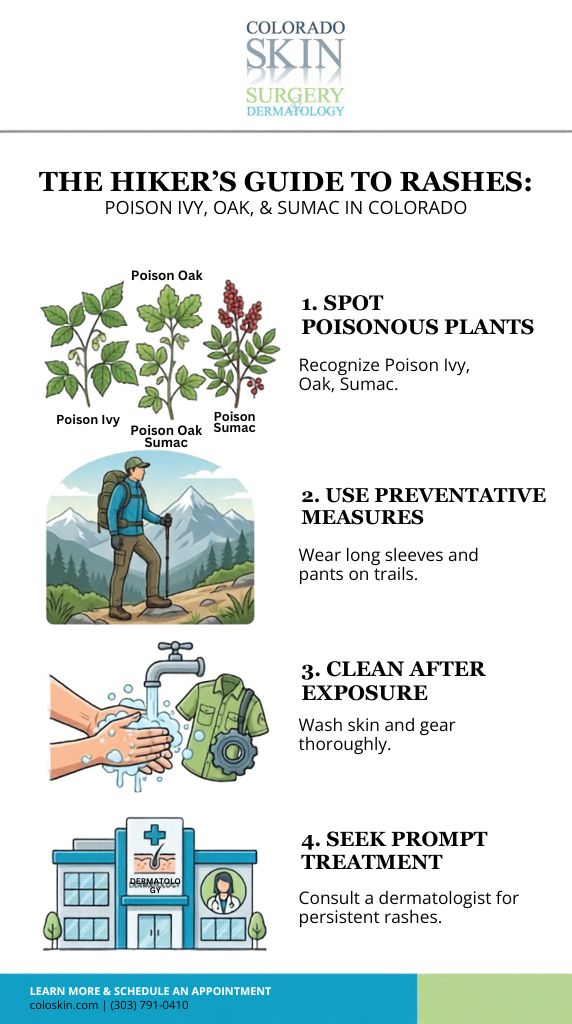
Exploring Colorado’s stunning trails is a favorite pastime, but encountering toxic plants can quickly disrupt your outdoor adventure. Contact with plant oils can trigger severe allergic reactions known as contact dermatitis. Understanding how to spot these hazardous leaves and manage symptoms ensures your outdoor excursions remain safe, comfortable, and memorable across every single season.
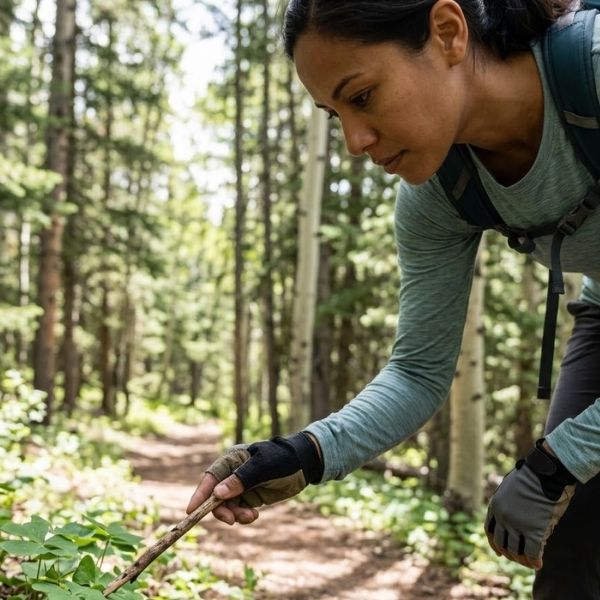
Identifying Poison Ivy on Colorado Trails
Poison ivy is the most widespread toxic plant in Colorado, often thriving near streams, canyons, and wooded hiking paths. Characterized by three shiny leaflets with smooth or notched edges, its oil, urushiol, causes intense itching and blisters. Recognizing this low-growing shrub along the trail is your best defense against painful, lingering contact dermatitis.
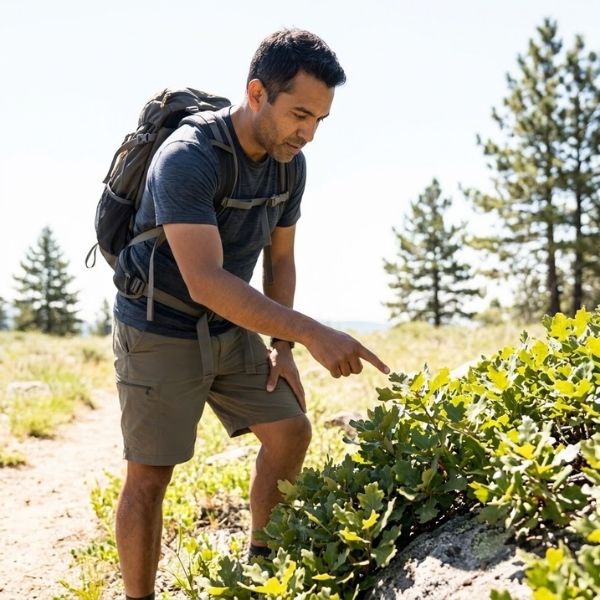
Recognizing Poison Oak Differences
While less common in Colorado than poison ivy, poison oak can still surprise traveling hikers and outdoors enthusiasts. Featuring rounded, lobed leaves resembling oak foliage, this plant also releases irritants that trigger severe skin inflammation. Inspecting clusters of three leaves carefully helps you avoid accidental contact, preventing itchy rash outbreaks on exposed arms and legs.
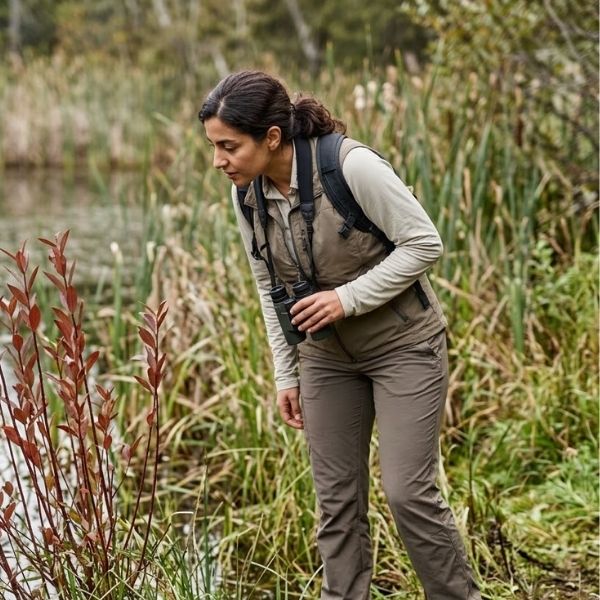
Understanding Poison Sumac Risks
Poison sumac primarily grows in boggy eastern wetlands, making it rare in arid mountain environments, yet awareness remains vital for hikers. Presenting smooth-edged leaflets arranged in pairs along reddish stems, it produces severe, blistering contact reactions. Knowing how to distinguish toxic sumac from harmless local shrubs ensures complete protection during all your wilderness adventures.

Effective Relief and Medical Treatment
Immediate action after plant exposure involves washing skin with cool water and mild detergent to remove lingering sap. While over-the-counter hydrocortisone or calamine lotion helps soothe mild itching, widespread or blistering rashes require prescription-strength dermatological care. Seeking expert medical evaluation quickly reduces painful swelling, speeds recovery, and prevents secondary bacterial skin infections effectively.
Navigating trail hazards requires vigilance, but a toxic plant rash should never cut your outdoor excursions short. Recognizing the distinct features of poison ivy, oak, and sumac allows you to take swift action with proper wash routines and topical treatments. When persistent itching, blistering, or widespread inflammation occurs, specialized care makes all the difference. At Colorado Skin Surgery & Dermatology, our team offers advanced dermatological solutions to calm severe contact dermatitis and protect your skin. Explore our site to discover our full range of general dermatology services, or contact us today to schedule a consultation with our experienced specialists.